
Pilates is a practice with many entry points. This guide offers useful context without making the experience more complicated than it needs to be.
Why Pilates prices vary
There is no single national Pilates price. A neighborhood mat class in a community space has a different cost structure from a small reformer class in a major city or a private session with a highly experienced instructor. Rent, equipment, staffing, insurance, cleaning, software, and continuing education all influence what a studio needs to charge. Prices can also differ within the same city depending on the neighborhood and whether the studio is independent, part of a chain, or attached to a larger wellness business.
Treat published prices as a starting point for comparison rather than a promise that one studio is better than another. A lower price may reflect a larger class, a shorter session, or an introductory offer. A higher price may include a smaller group, more individual attention, specialized equipment, or a prime location. Ask what the price includes and whether the rate is temporary before deciding what fits your budget.
A note about ranges
The ranges in this guide are broad planning numbers for U.S. studios, not fixed market statistics. Your local studio may be below or above them. Check the current schedule and policies directly, especially when a price appears unusually low or unusually high.
Drop-ins and single group classes
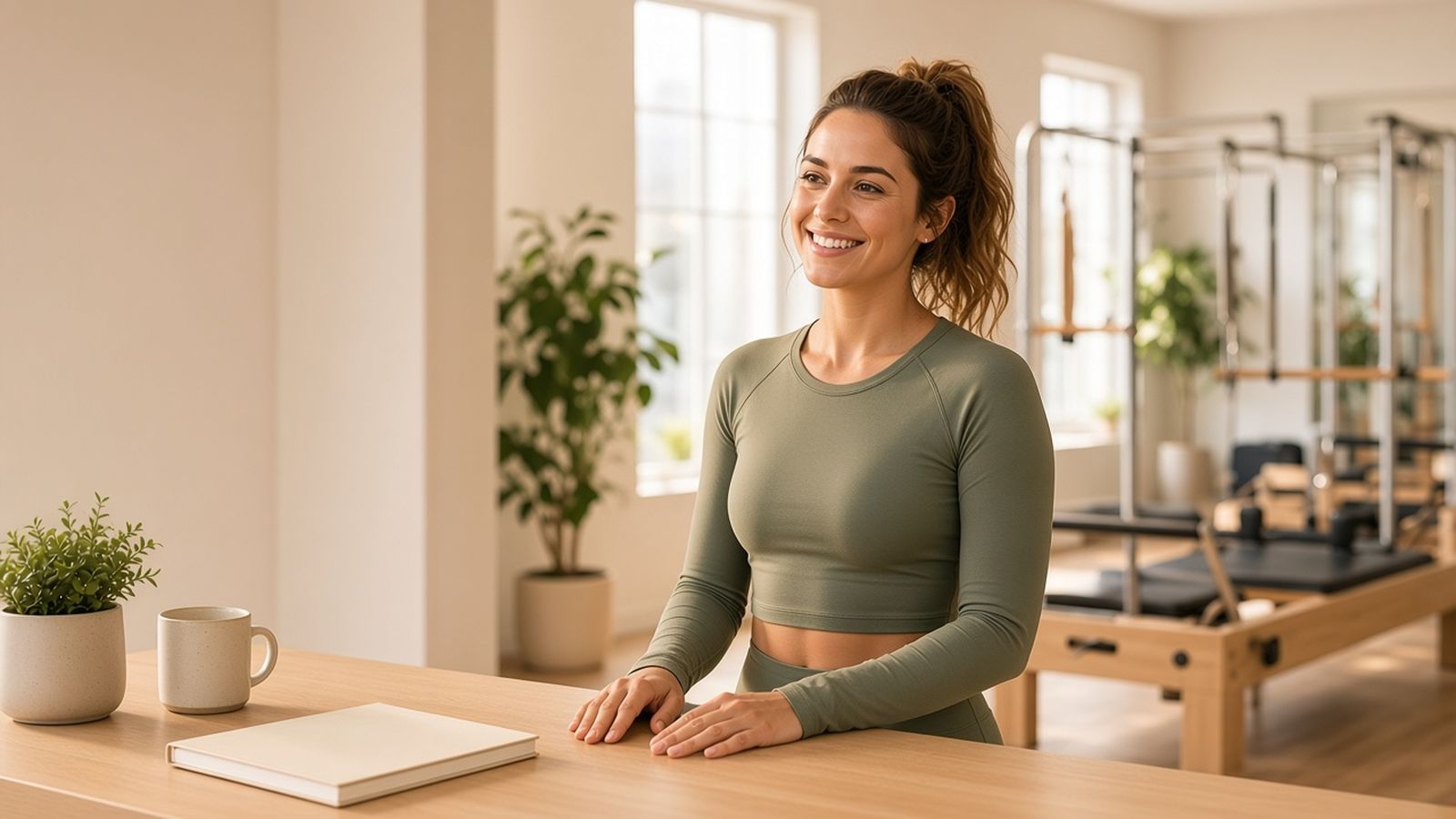
A single group class is often the easiest way to try a studio without making a commitment. In many U.S. markets, a drop-in mat or group reformer class may fall somewhere around $20–$45, with large city centers and highly specialized studios sometimes higher. The class length, equipment, instructor experience, and number of people in the room all influence the price. A mat class is not automatically less valuable than a reformer class; it simply has a different operating model.
Ask whether a drop-in is available to first-time visitors, whether the quoted amount includes taxes or required grip socks, and what happens if you need to cancel. If you are deciding between studios, try to compare similar formats. A 50-minute small-group reformer class and a 75-minute community mat class may both be excellent choices, but they are not directly comparable on price alone.
Class packs and memberships
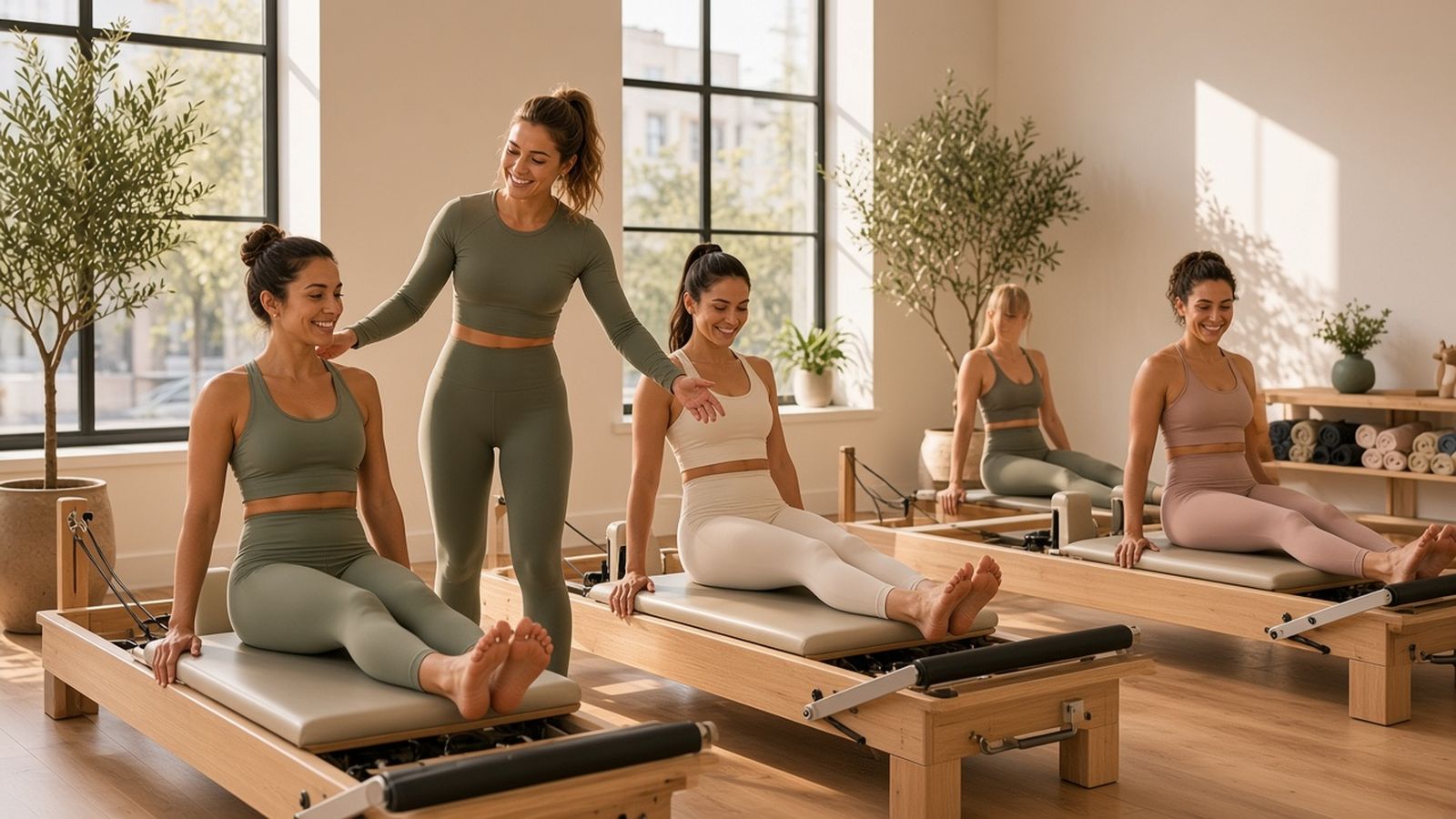
Class packs typically reduce the per-class price in exchange for an upfront commitment. A small pack may offer a modest discount, while a larger pack can lower the average cost more noticeably. Many packs expire after a set period, so calculate how often you can realistically attend before buying. An unused class is not a bargain, and a pack with a short expiration window may create unnecessary pressure.
Memberships may be structured around a number of monthly classes, a recurring monthly amount, or an unlimited plan with usage rules. Broadly, monthly memberships can range from around $100 to $300 or more depending on the number of visits and local market. Read the pause, cancellation, rollover, late-cancel, and booking-window policies. A membership is useful when it supports the schedule you actually live, not the schedule you wish you had.
Introductory offers
Studios often offer a first-class price or a short introductory series. These offers can be helpful, but ask when they expire, which formats they include, and whether they automatically convert to a recurring plan. A clear offer should make the terms easy to understand before payment.
Private and semi-private sessions
Private sessions generally cost more because the instructor’s time is dedicated to one person. In many U.S. markets, a private session commonly falls around $75–$200 or more, with the range shaped by location, session length, instructor experience, and studio setting. Semi-private sessions split the cost among a small number of participants and can be a middle ground when everyone is comfortable sharing a lesson.
Private instruction may be useful when you want detailed feedback, have a specific learning goal, prefer a quiet environment, or are returning after a period away. It is not automatically the right option for every person, and group classes can provide excellent teaching. Ask what the session includes, whether equipment is provided, and how the instructor handles goals that may require medical or rehabilitation guidance.
Budget for the full experience
A Pilates budget may include more than the class itself. Consider travel, parking, grip socks, childcare, equipment, and the time needed to arrive early. A studio that is slightly farther away may cost more in transportation but offer a schedule that makes attendance easier. A nearby studio may be the better value even when its drop-in rate is not the lowest, because consistency is part of what you are paying for.
If you are comparing memberships, write down the number of visits you realistically expect in a month and divide the total cost by that number. Then add the value of the format, instruction, and convenience. This simple exercise makes a large package feel less abstract and can reveal when a smaller pack or occasional drop-in is a better fit. Financial clarity keeps Pilates positive and helps you choose without pressure.
Compare value thoughtfully
Before booking, list the factors that matter most: location, schedule, class size, equipment, instructor education, accessibility, community, and the ease of changing a reservation. A studio close to work may be more valuable than one with a lower price across town. A slightly more expensive class that you attend consistently may be a better investment than a discounted pack you cannot use.
You can also ask whether the studio offers community classes, off-peak pricing, student or senior rates, payment plans, or a lower-cost mat option. Respectful questions help a studio explain its model and help you make an informed choice. Pilates should be a positive part of your life, so choose a financial commitment that leaves room for the rest of your needs.
Helpful next reads
Find a studio near you.
Explore local studios and choose a place that fits your schedule, questions, and way of moving.
FAQ
What is a typical Pilates drop-in price?
In many U.S. markets, group drop-ins are often around $20–$45, but prices vary by city, format, equipment, class size, and studio model.
Are Pilates class packs cheaper?
Usually, the per-class price is lower with a pack, but check expiration dates, cancellation rules, and whether you can attend often enough to use it.
How much do Pilates memberships cost?
Monthly memberships vary widely. A broad planning range is about $100–$300 or more, depending on visit limits, format, and local pricing.
How much is a private Pilates session?
Private sessions often range from roughly $75–$200 or more in the U.S. The instructor, city, session length, and studio setting all affect the price.
How can I find affordable Pilates?
Look for mat classes, community sessions, off-peak rates, introductory offers, class packs that match your schedule, and studios in nearby neighborhoods. Always read the terms.